

illuminated cosmetic mirror
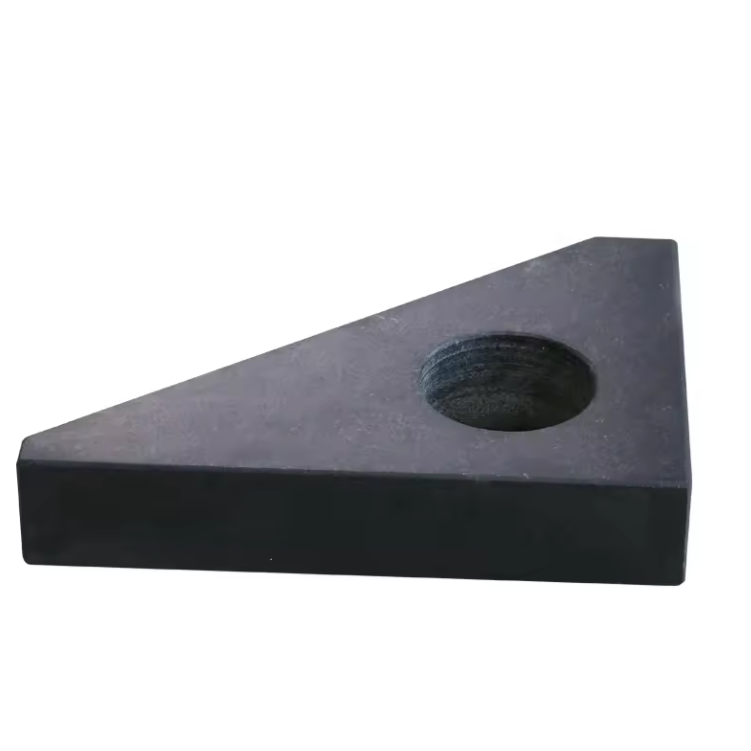
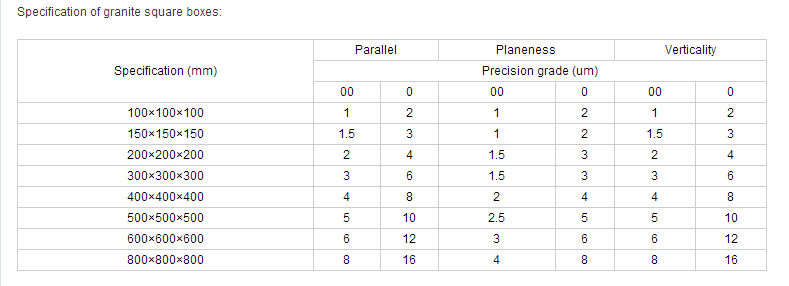
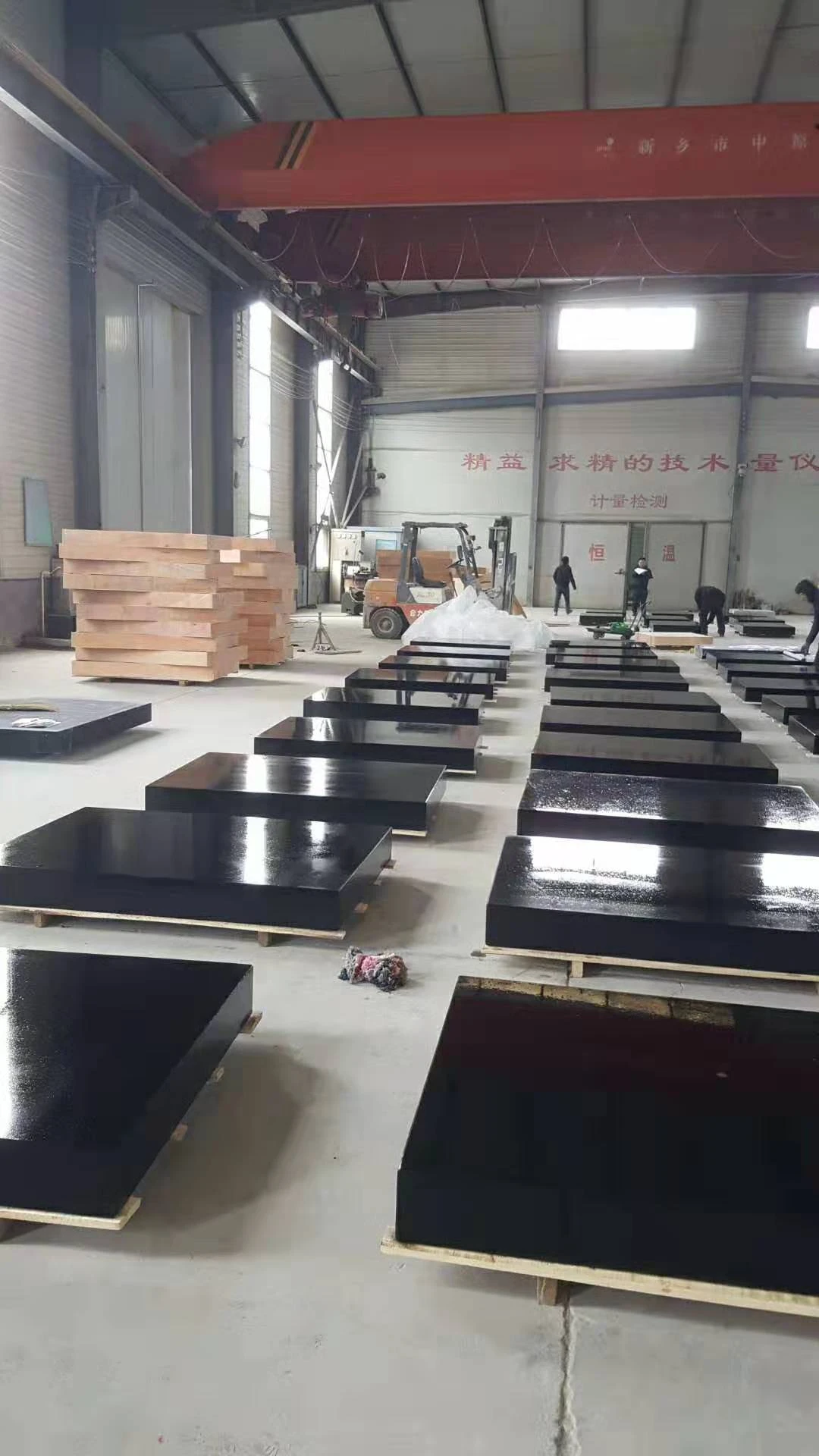
Understanding Precision Gauges The Key to Accurate Measurements Precision gauges are indispensable tools in various industries, including manufacturing, engineering, and quality control. These instruments are designed to provide highly accurate measurements of dimensions, tolerances, and alignments, ensuring that products meet stringent quality standards and specifications. At the heart of precision gauging is the need for accuracy and consistency. Traditional measuring instruments, such as rulers and calipers, can only provide a limited level of precision. In contrast, precision gauges utilize advanced technologies that allow for measurements to be taken with minute accuracy, often down to microns or thousandths of millimeters. This level of precision is crucial for industries such as aerospace, automotive, and electronics, where even the slightest deviation can lead to malfunctioning parts or compromised safety. There are various types of precision gauges, each tailored to specific measuring tasks . For instance, depth gauges are used to measure the depth of holes or slots, while thickness gauges assess the thickness of materials. Other common types include dial indicators, which provide readings of small linear distances; snap gauges, which check the external dimensions of components; and sine bars, which are utilized for measuring angles. These instruments often incorporate high-quality materials and sophisticated designs, ensuring durability and reliability in demanding environments. precision gauge One of the significant advantages of using precision gauges is their ability to enhance productivity and efficiency. In manufacturing settings, where time is often equated with money, having precise measurements helps prevent waste and rework. When each component can be measured accurately, it minimizes the chance of errors that could lead to costly production delays or recalls. Furthermore, precision gauges facilitate consistent quality assurance processes, as they enable operators to quickly verify that products meet the required specifications. The calibration of precision gauges is another vital aspect that ensures ongoing accuracy. Regular calibration against known standards is crucial to maintain the reliability of these measuring instruments. Calibration practices may involve comparing the gauge's measurements with those of a certified standard or utilizing specialized calibration equipment. By adhering to strict calibration schedules, manufacturers can ensure that their measurements remain consistent over time, bolstering confidence in their quality control processes. In conclusion, precision gauges are essential tools that play a critical role in modern manufacturing and quality assurance. Their ability to deliver accurate and consistent measurements directly impacts product quality, operational efficiency, and safety. As industries increasingly rely on precision engineering to meet their regulatory and performance standards, the value of precision gauges will continue to grow. Investing in high-quality gauging instruments and practices not only enhances measurement accuracy but also ensures that businesses stay competitive in an ever-evolving marketplace. As technology advances, it is likely that precision gauges will become even more sophisticated, offering improved features and functionalities that further streamline measurement processes.
about
illuminated cosmetic mirror
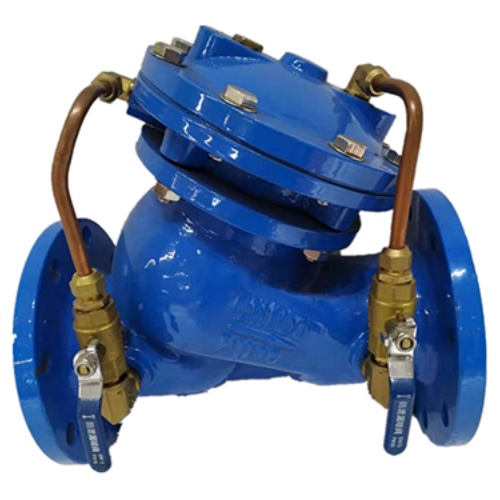
How to Find the Main Water Valve Finding the main water valve in your home is an essential task that every homeowner should undertake. This valve regulates the flow of water into your property and can be crucial in emergency situations such as leaks or flooding. In this article, we’ll explore how to locate the main water valve, the reasons it is important, and what to do once you find it. Understanding the Importance of the Main Water Valve The main water valve serves as the gatekeeper for your indoor plumbing. It allows you to cut off the water supply to your entire home, which is critical during emergencies. For instance, if a pipe bursts or a fixture starts to leak, you can quickly shut off the water to prevent extensive damage. Additionally, reducing water flow during major plumbing repairs is imperative to maintain control of water usage. Steps to Locate the Main Water Valve 1. Identify the Waterline Entrance The first step in locating your main water valve is to determine where the water line enters your home. Typically, this will be in the basement, crawl space, or the area near your water meter. If your home does not have a basement, look around the lowest level in a utility closet or on a wall facing the street. 2. Inspect Common Locations The main water valve can often be found in specific areas of the home. Here are the most common locations - Basement If you have a basement, check the wall closest to the street where water pipes usually enter. The valve may be near the water heater or along the wall. - Crawl Space In homes with crawl spaces, the valve is often located near the foundation wall where the water line comes in. - Garage Some homes have the main water valve in the garage. Look along the wall and near the floor. - Outside Wall Occasionally, the valve might be located outside, particularly if there is an outdoor faucet with a shut-off valve. 3. Recognize the Valve’s Appearance The main water valve can come in different types, but it typically has a round or oval handle or a lever. A common configuration is a gate valve, which needs to be turned clockwise to close . In some cases, especially in newer homes, you may encounter a ball valve, which has a lever handle that you can flip 90 degrees to shut off the water. how to find main water valve 4. Look for Indicators If you still can’t find the valve, look for any indicators. Sometimes, the valve may be marked by a small sign or sticker (written “Main Shutoff” or similar). If you have a water meter, the main valve is usually located close to it. 5. Test the Valve Once you’ve found the valve, it’s wise to test it. Turn it clockwise to ensure it closes and counterclockwise to ensure it opens. It’s best to do this periodically to prevent it from seizing. What to Do After Finding the Valve Knowing where your main water valve is located is only part of the equation. Here’s what to do after you’ve found and tested it - Inform All Household Members Make sure everyone in your household knows the location of the main water valve and how to operate it. This is crucial during an emergency when quick action can save you from significant water damage. - Consider Replacement or Upgrades If your valve is old or difficult to operate, consider having it replaced with a more modern valve type. A ball valve, for example, offers easier operation and a more reliable seal. - Document the Location Write down the valve’s location in a home maintenance journal or create a label near the valve. This ensures that you or anyone else can easily find it in the future. In conclusion, finding your main water valve is an essential skill for any homeowner. By following the outlined steps, you can locate and ensure you know how to operate this critical piece of your plumbing system. Take the time now to identify it so that you’re prepared for any potential plumbing emergencies in the future.
-

High quality industrial productsagement

High quality industrial products
View Details -

Meet the diverse needs of customers

Meet the diverse needs of customers
View Details -

Strict quality control

Strict quality control
View Details -

Top raw materials

Top raw materials
View Details -

Trusted supplier

Trusted supplier
View Details
Our application
news and information
Valvola a farfalla da 1,5 pollici per applicazioni industriali e domestiche
Valvola a Farfalla da 1.5 Pollici Un Elemento Chiave nel Settore Industriale Le valvole a farfalla s
Water Pressure Regulation Using Check Valves for Efficient System Performance
Water Pressure Check Valves Importance, Functionality, and Maintenance Water pressure check valves a
Various Types and Functions of Water Control Valves Explained
Understanding Types of Water Control Valves Water control valves are critical components in plumbing
 English